Reimagining the Prime Video experience
The Prime Video redesign reduced the number of decisions between opening the app and pressing play. Channels integrated into a native TV browser, ADA contrast ratios and focus targets shipped on time, built on the same component library spanning mobile, desktop and a dozen TV platforms.
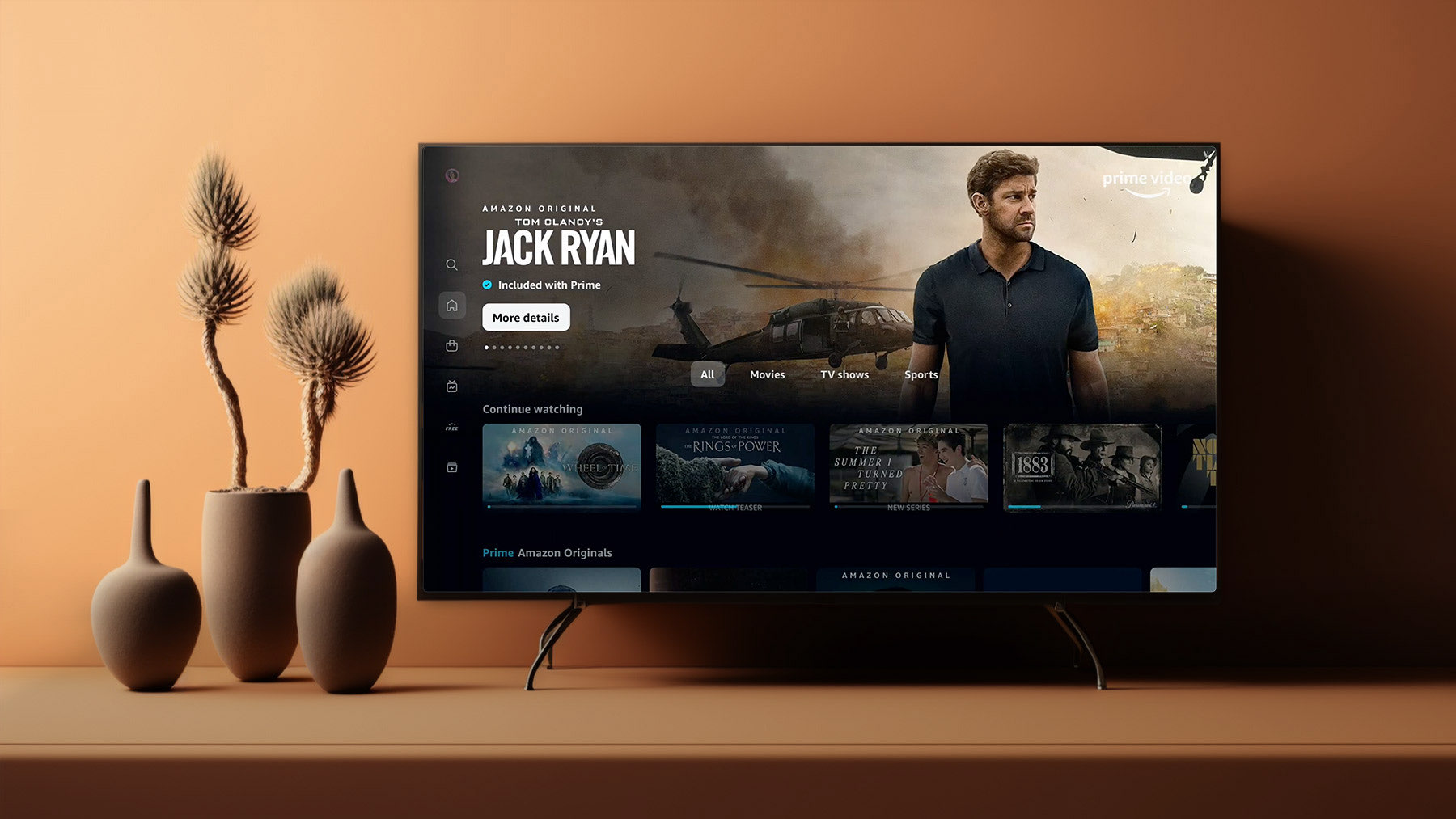
Prime Video had grown into a sprawling catalog: rentals, included content, add-on Channels, live events. All of it across phone, tablet, desktop and a dozen TV platforms. The browsing experience had drifted out of sync between surfaces. Accessibility and international markets were treated as afterthoughts.
I worked from high-level requirements toward a calmer set of browse and playback flows. We consolidated fragmented components into a shared system, integrated the Channels subscription model into the core catalog, and pressure-tested every state against ADA contrast and focus requirements and the localization needs of the India market.
The redesigned flows cut the number of decisions between opening the app and pressing play. Channels got a native home inside the catalog. Engineering got a single component library to build against across mobile, desktop and TV. The play button is no longer orange: an ADA requirement, but also a fix for the orange ambient reflections that bloomed off TV screens in dark rooms. Across the redesign window, Prime Video revenue grew from $9.2B in 2021 to $13.3B in 2023 (+45%), 2023 content investment hit $18.9B (exceeding Netflix’s), and global viewership climbed past 210 million. By Q4 2024, Prime Video had taken the top spot in US SVOD market share at 22%, edging Netflix at 21%.
- $9.2B → $13.3B
- Prime Video revenue across the redesign window · 2021 to 2023 · +45%
- 210M+ users
- Global Prime Video viewers · top-three streaming platform worldwide
- $18.9B
- Prime Video 2023 content spend · exceeded Netflix's, the catalog the redesigned components carry